
Are Trulicity and Ozempic the same?
No. Trulicity contains dulaglutide and Ozempic contains semaglutide. Both activate GLP-1 receptors, but the products differ in dose, device, approved uses and missed-dose instructions.
Trulicity contains dulaglutide; Ozempic contains semaglutide. Both injections activate GLP-1 receptors and have type 2 diabetes indications. Their dose ladders, devices and missed-dose instructions differ. Neither product is FDA-approved for weight management.
This comparison focuses on Trulicity injection versus Ozempic injection. Ozempic also has daily tablets with their own label; a weekly schedule cannot describe every Ozempic prescription.
| Feature | Trulicity injection | Ozempic injection |
|---|---|---|
| Ingredient | Dulaglutide | Semaglutide |
| Schedule | Weekly | Weekly |
| Diabetes indication | Adults and children 10+ with type 2 diabetes | Adults with type 2 diabetes |
| Cardiovascular indication | Adults with type 2 diabetes and established cardiovascular disease or multiple risk factors | Adults with type 2 diabetes and established cardiovascular disease |
| Kidney indication | No equivalent kidney-risk indication in its label | Reduced risk of sustained kidney-function decline, end-stage kidney disease and cardiovascular death in adults with type 2 diabetes and chronic kidney disease |
| Adult starting dose | 0.75 mg weekly | 0.25 mg weekly for four weeks, then 0.5 mg |
| Maximum adult dose for glucose control | 4.5 mg weekly | 2 mg weekly |
| Presentation | Single-dose pen | Product-specific multidose pens or single-dose prefilled syringes |
Sources: Trulicity prescribing information, sections 1–3, Ozempic injection prescribing information, sections 1–3. Adult maximum doses are not pediatric instructions or equivalent doses.
Trulicity’s adult dose can increase to 1.5 mg after four weeks, then in 1.5 mg increments after at least four weeks at the current dose if additional glucose control is needed. Ozempic’s later increases to 1 mg and 2 mg also require at least four weeks at the preceding dose for glucose control. Its kidney indication has a separate 1 mg maintenance instruction.
SUSTAIN 7 randomized 1,201 adults with type 2 diabetes taking metformin to weekly injections for 40 weeks. It was open-label: patients and investigators knew the assigned treatment.
| Weekly trial dose | Average weight reduction at 40 weeks |
|---|---|
| Semaglutide 0.5 mg | 4.6 kg |
| Dulaglutide 0.75 mg | 2.3 kg |
| Semaglutide 1 mg | 6.5 kg |
| Dulaglutide 1.5 mg | 3.0 kg |
Semaglutide also reduced A1C more at the tested doses. Analyses used patients exposed to treatment, with data collected while on treatment and before rescue medication. The trial did not test today’s highest injection doses, Ozempic tablets or compounded preparations. These are diabetes-trial averages, not an individual forecast. SUSTAIN 7 publication
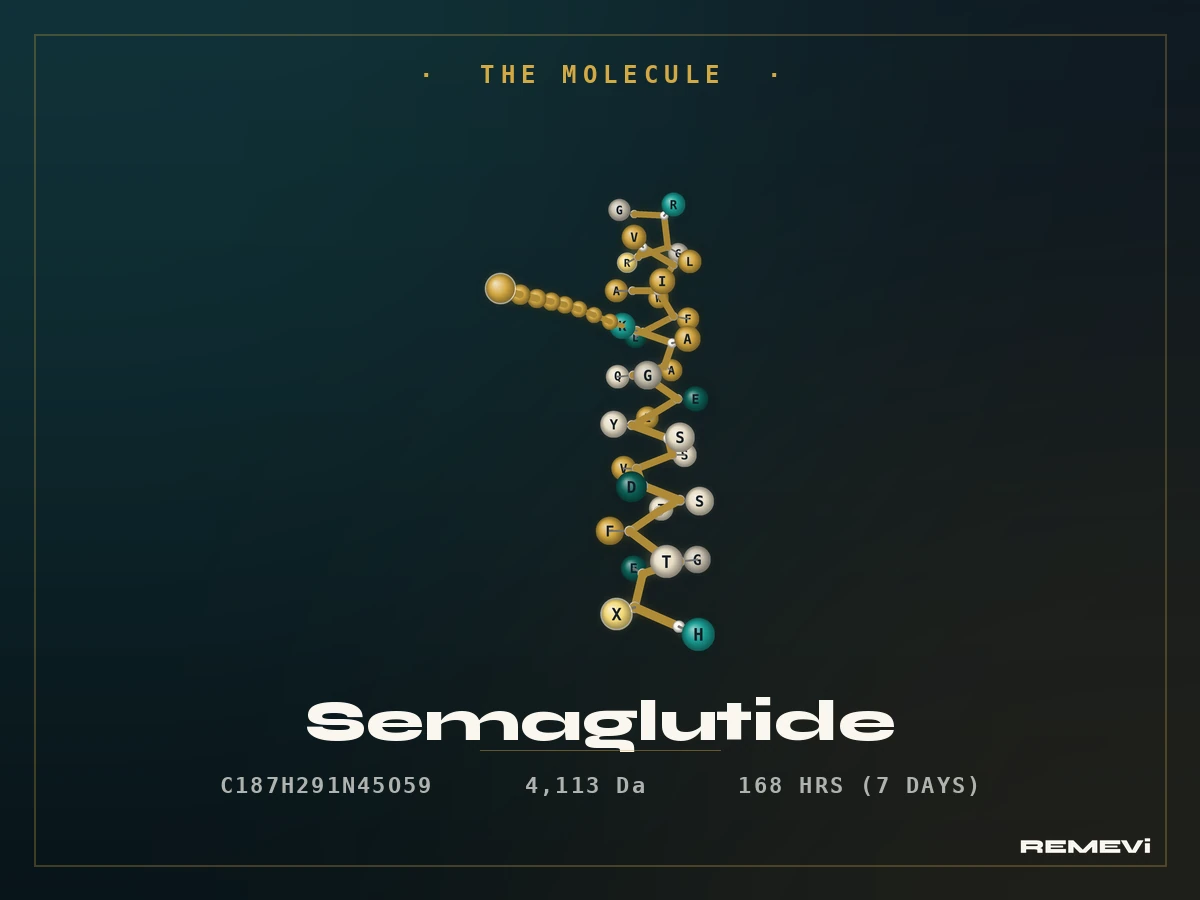
Dulaglutide is a GLP-1 analog linked to an antibody fragment; semaglutide is a modified GLP-1 analog that binds albumin. Both designs prolong action. The molecules can influence insulin release, glucagon and stomach emptying, but molecular structure does not determine the best prescription for a person. Trulicity, sections 11–12, Ozempic injection, sections 11–12
For the difference between an ingredient and a finished product, see semaglutide versus Ozempic versus Wegovy.
| Product | One missed-dose instruction |
|---|---|
| Trulicity injection | Take as soon as possible if at least three days (72 hours) remain before the next dose; otherwise skip and resume on the regular day |
| Ozempic injection | Take within five days after the missed dose; after five days, skip and resume on the regular day |
| Ozempic tablets | Skip the missed tablet and take the next dose the following day |
Sources: Trulicity, section 2.3, Ozempic injection, section 2.1, Ozempic tablets, section 2.1.
Do not take extra medicine to catch up. A longer interruption or a switch needs a prescriber’s plan; there is no milligram-for-milligram conversion. Bring the last dose date and exact formulation. The missed-dose guide explains what information helps.
Both injection labels describe nausea, vomiting, diarrhea and other gastrointestinal effects. Percentages from separate placebo-controlled trials cannot rank which medicine is better tolerated; the populations and trial conditions differ.
Both carry a boxed warning about thyroid C-cell tumors observed in rodents and contraindications involving MTC, MEN2 and serious product hypersensitivity. Both warn about pancreatitis, dehydration-related kidney injury, gallbladder disease and low glucose with insulin or sulfonylureas. Neither is recommended in severe gastroparesis. Tell the clinician about pregnancy plans, retinopathy and planned anesthesia or sedation. Trulicity safety information, Ozempic injection safety information
Severe persistent abdominal pain or vomiting that prevents fluid intake needs prompt medical evaluation. Serious allergic symptoms need emergency help.
Ask your insurer about the exact brand, formulation, diagnosis, prior authorization, supply length and refill cost. A diabetes indication does not guarantee coverage. Compare the full treatment cost rather than assuming an advertised starting offer applies to you. See semaglutide without insurance and current REMEVi pricing.
If weight management is the goal, discuss products with weight-management indications. REMEVi’s compounded treatment options are a separate category, not Trulicity, Ozempic or generic equivalents; their outcomes cannot be inferred from SUSTAIN 7.
REMEVi includes clinician-required GLP-1 labs and offers care in English and Spanish in 49 states and Washington, DC, excluding Louisiana. See if you qualify.
Educational information, not individualized medical advice. A licensed clinician chooses treatment; individual results vary.
No. Trulicity contains dulaglutide and Ozempic contains semaglutide. Both activate GLP-1 receptors, but the products differ in dose, device, approved uses and missed-dose instructions.
Neither has a weight-management indication. SUSTAIN 7 measured greater average weight reduction with the tested semaglutide doses in adults with type 2 diabetes, but this does not make either product an approved weight-management treatment.
Only with a prescriber's plan. There is no milligram-for-milligram conversion. The new dose and start date depend on the exact formulation, last dose, tolerability and clinical needs.
Trulicity and Ozempic injections are weekly. Ozempic also has separate daily tablets with their own prescribing information; the injection schedule and missed-dose rule do not apply to those tablets.
No. Trulicity uses the time until the next injection: at least 72 hours must remain. Ozempic injection uses the time since the missed dose: take within five days. Ask the pharmacist if you are unsure.
Free 1-minute quiz, then a 2-minute intake if you qualify. A licensed clinician reviews your information. If prescribed, medication is delivered to your door.
See if you qualifyFree · about 1 minute · no card required